
Dog Grooming for Senior Pets: Special Care Tips from Our Expert Groomers
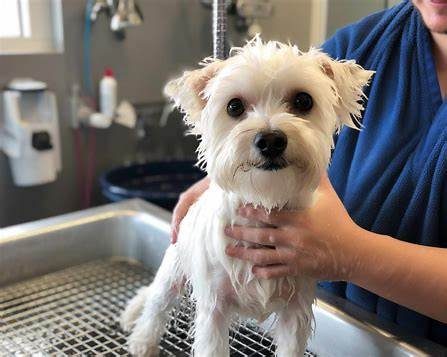
Caring for an older dog is a labor of love. As pets age, their grooming needs change in surprising ways. That’s why Dog Grooming for Senior Pets: Special Care Tips from Our Expert Groomers is such an important topic for pet parents who want to keep their aging companions healthy, comfortable, and happy.
In the first 10% of this article, it’s important to highlight that dog grooming for senior pets isn’t just about keeping your dog looking good — it’s about boosting comfort, preventing health issues, and supporting an aging body.
Let’s dive into expert-backed grooming strategies designed specifically for senior dogs.
Understanding the Grooming Needs of Senior Pets
As dogs enter their golden years, everything from their skin to mobility can change. Regular grooming becomes essential for monitoring these shifts.
How Aging Affects Skin, Coat & Comfort
Senior dogs commonly develop:
- Thinner, more delicate skin
- Dryer coats that mat easily
- Increased shedding
- Sensitivity to touch
Because of these changes, we must approach grooming more gently and mindfully.
Importance of Regular Grooming for Older Dogs
Routine grooming helps:
- Prevent painful mats
- Improve skin health
- Control odors
- Catch lumps, infections, or parasites early
Over time, grooming also becomes an important bonding moment that reassures your dog.
Essential Dog Grooming for Senior Pets Techniques
Gentle Brushing for Sensitive Skin
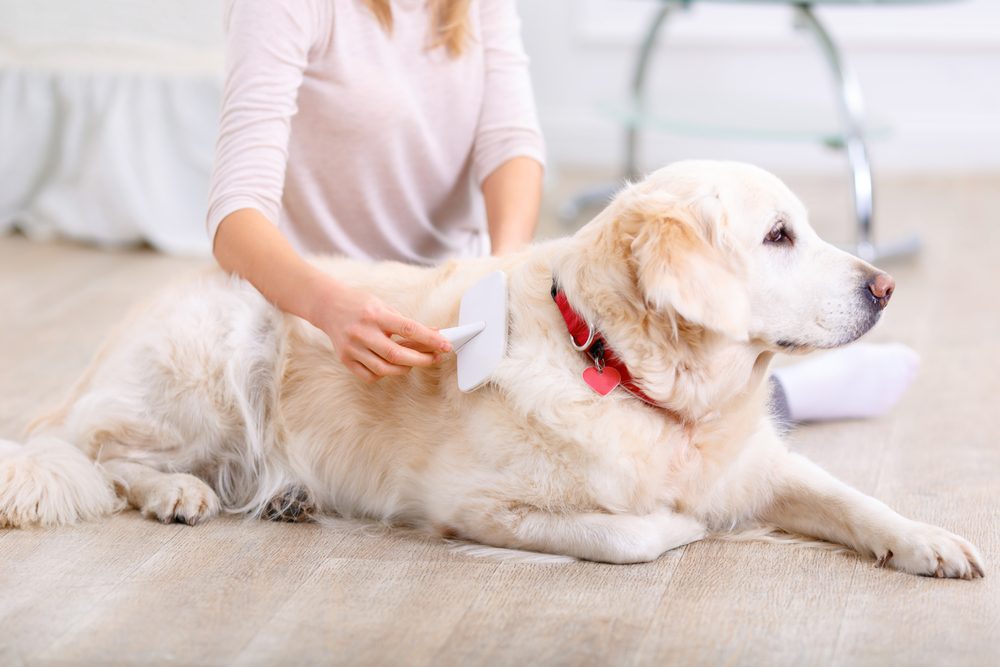
Older dogs often have delicate skin that tears easily. Use soft-bristle brushes or silicone grooming gloves. Brush in short, slow strokes, and stop if your dog shows discomfort.
Senior-Safe Bathing Methods
- Use lukewarm water
- Choose hypoallergenic shampoo
- Shorten bath duration
- Dry thoroughly (dampness triggers infections)
Adding a non-slip bath mat reduces fall risks.
Nail Trimming for Arthritic Dogs
Arthritis makes standing painful. Let your dog rest on a cushion or your lap. Trim small amounts at a time using quiet, sharp tools.
Ear & Eye Cleaning for Older Dogs
Seniors often develop tear staining and wax buildup. Use:
- Vet-approved cleansers
- Soft cotton pads
- Gentle wiping motions
Avoid inserting anything into the ear canal.
Mobility-Friendly Grooming Strategies
Using Supportive Equipment
Useful tools include:
- Grooming tables with ramps
- Memory foam pads
- No-slip floors
- Elevated bowls for post-bath water breaks
These help minimize strain on stiff joints.
Anxiety-Reducing Techniques for Senior Dogs
Older pets often feel nervous. Try:
- Calming music
- Slow introductions to tools
- Lavender-based pet-safe sprays
- Short grooming sessions
Your patient approach builds trust and comfort.
Health Benefits of Regular Grooming for Senior Pets
Routine grooming sessions allow you to catch early warning signs such as:
- Lumps
- Skin infections
- Dental issues
- Musculoskeletal discomfort
Early detection means faster treatment and better long-term outcomes.
Professional Grooming vs Home Grooming
Why Senior Dogs Benefit from Expert Groomers
Expert groomers understand:
- Senior-friendly handling
- Techniques for arthritic limbs
- Safe drying, lifting, and cleaning methods
- They’re trained to spot medical concerns, too.
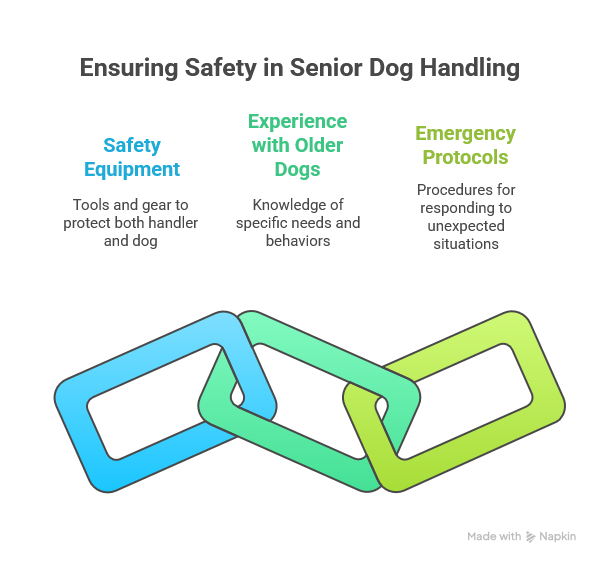
Choosing a Senior-Pet-Friendly Groomer
Ask about:
- Safety equipment
- Experience with older dogs
- Handling procedures
- Emergency protocols
This ensures your pet is in good hands.
How Your Pet Might React During Their First Grooming Visit
Common Signs of Nervousness or Fear
It’s normal if your pet shows signs of stress — trembling, whining, or restlessness. New sounds, smells, and sensations can be overwhelming.
How Groomers Handle Anxious Pets
Professional groomers are trained to handle nervous pets with gentle reassurance, soft tones, and breaks. Some salons even use aromatherapy or calming music.
Tips for Comforting Your Pet After Grooming
After the session, reward your pet with praise, treats, and playtime. This positive reinforcement helps them associate grooming with happy experiences.
Safety Measures and Professional Standards in Grooming Salons
Hygiene, Tools, and Sanitation Protocols
Reputable salons sanitize tools after each use and maintain clean workspaces. Towels and grooming tables are disinfected regularly to prevent infections.
Handling Special Needs or Aggressive Pets
If your pet has special medical needs or anxiety, inform the groomer in advance. Some pets might require muzzle use or sedation (vet-supervised), but most groomers handle them with patience and care.
Frequently Asked Questions About Dog Grooming For Senior Pets
Q1. How often should I groom my senior dog?
👉 Most senior dogs need brushing every 2–3 days and full grooming every 4–6 weeks.
Q2. Do senior dogs need special shampoos?
👉 Yes — gentle, moisturizing formulas reduce itching and irritation.
Q3. Is grooming painful for older pets?
👉 It shouldn’t be. Slow, gentle techniques minimize discomfort, especially for arthritic dogs.
Q4. Can mats be dangerous for senior dogs?
👉 Yes. Mats pull on the skin, cause sores, and trap bacteria.
Q5. Should I visit a professional groomer for my aging dog?
👉 If your dog has mobility issues, anxiety, or medical conditions, a pro groomer is recommended.
Q6. What signs show grooming is hurting my dog?
👉 Whining, trembling, licking lips, stiffness, or moving away can all signal discomfort.
Final Thoughts.
Dog Grooming for Senior Pets: Special Care Tips from Our Expert Groomers reminds us that aging dogs need gentle, consistent care. With the right tools, techniques, and patience, your senior dog can stay cleaner, healthier, and more comfortable than ever.
For more information about pet grooming Contact Us